
One in five EU businesses with at least ten employees now uses artificial intelligence, a share that grew by half in a single year. Many still use AI without a plan.
Here you get the tasks where AI saves the most time, the mistakes that cost, the rules and a plan for the first four weeks.
AI saves the most time on first drafts, ad variations, images and data summaries. It makes marketing worse when it publishes text no one has checked, because errors and generic content cost both trust and visibility.
At the same time, 34 percent of US adults have used ChatGPT, twice as many as in 2023. So your business also has to show up in the answers AI gives.
What You'll Learn in This Post
- How many businesses use AI, and what they use it for
- Six marketing tasks where AI saves the most time, and what you still have to do yourself
- Where AI makes marketing worse
- Why AI search changes how customers find you
- The rules on privacy, labeling and advertising you need to know
- A plan for the first four weeks
What Is AI in Marketing?
AI in marketing means using artificial intelligence to plan, create, publish and measure marketing. That can be writing drafts, making image variations for ads, answering customers in chat or finding patterns in sales numbers.
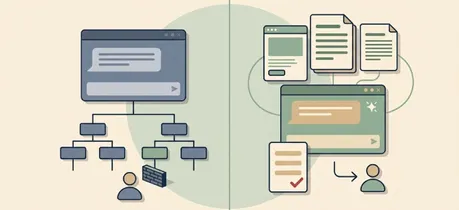
AI affects marketing in two ways. It is a tool that makes the work faster. It is also a new channel, because many customers now ask ChatGPT, Gemini or Google's AI answers before they click through to a website.
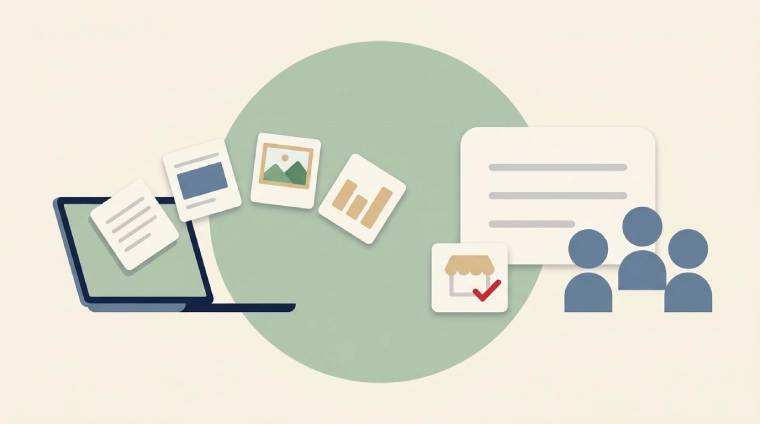
Most articles on the topic only cover the tools. We cover both sides, because working faster with AI does little good if no AI service mentions your business when customers ask.
How Many Businesses Use AI?
Use is growing fast. Eurostat found that 20 percent of EU businesses with at least ten employees used AI in 2025, up from 13.5 percent the year before.
The differences between countries are large. In Denmark the share was 42 percent, while in Romania it was about 5 percent. Generating images, video and text is among the most common uses, and those are exactly the tasks marketing depends on.
Customers have adopted AI too. Pew Research Center found in 2025 that 34 percent of US adults have used ChatGPT, about twice the share in 2023. Among adults under 30, the share was 58 percent.
Six Tasks Where AI Saves the Most Time
AI is most useful in tasks where you need many variations or a quick first draft. The table shows what AI does well, and what you still have to do yourself.
| Task | What AI does well | What you have to do yourself |
|---|---|---|
| Website and blog copy | Outlines, first drafts and rewriting into plainer language | Add your own experience, check facts and match your voice |
| Keywords and content ideas | Group keywords and suggest questions customers ask | Check search volume in real data and pick what fits your offer |
| Google Ads | Write many versions of headlines and descriptions, and adjust bids automatically | Set the right goals, track conversions and weed out poor searches |
| Images and video | Create illustrations, backgrounds and format variations quickly | Show real products and real customers where it matters |
| Customer service and chat | Answer repeated questions around the clock from your own pages | Handle prices, agreements and complaints |
| Analysis and reports | Summarize numbers, spot anomalies and explain trends in plain language | Check that the numbers are right, and make the decisions |
Copy
AI is good at getting started and at making long texts shorter. It is bad at knowing what your business has actually done for its customers. The guide to SEO writing shows what it takes for a text to rank.
Ads
AI is already built into Google Ads. Automated bid strategies and campaign types such as Performance Max use machine learning to choose who sees the ad. That makes tracking the most important thing you do, because the system learns from the conversions you report.
Google Ads for beginners explains how to set it up.
Customer Service
An AI chatbot can answer customers from your website and collect details for a quote. The article AI agent vs. chatbot explains the difference, what it costs and what the agent should not answer.
Audio
AI voices make it possible to offer content as audio without a studio. You can listen to our articles, read by an AI voice from our own text to speech service. It also helps people who find long texts hard to read.
Where AI Makes Marketing Worse
The biggest problem is not that AI writes badly. The problem is that it writes the same thing as everyone else.
If five businesses in the same industry ask a language model for a text, they get five almost identical texts. None of them explains why the customer should choose that particular business.
Google does not penalize text because it was made with AI. But Google's spam policies target large amounts of content made to rank without helping the reader, no matter how it was made. Google started a new spam update on September 24, 2026, so this matters right now.
AI can also be wrong with great confidence. It can invent numbers, sources and rules that do not exist. So everything published in your business's name must be read by a person who knows the field.
Finally, AI can weaken your brand. Images that look artificial and texts without a voice of their own make your business harder to tell apart from competitors. Use AI to work faster, not to sound like everyone else.
AI Changes How Customers Find You
When Google shows an AI answer at the top of the results, fewer people click through. Ahrefs compared 300,000 keywords and found that the click rate for the top position was 58 percent lower when an AI answer was shown. The study compared December 2023 with December 2025.
That does not mean SEO is over. It means the goal is wider. You still want to rank in Google, but you also want to be mentioned and cited when ChatGPT, Gemini and Google's AI answers recommend vendors in your industry.
The work of getting cited in AI answers is called AEO. It is about clear answers, structured data, up-to-date facts and mentions on other websites. You get the full method in the guide What is AEO?.
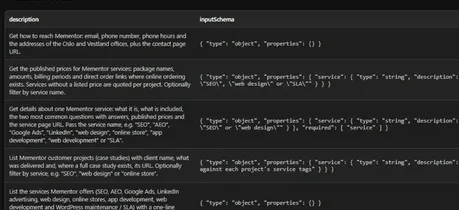
AI tools are also starting to act on behalf of people, such as filling in forms and comparing offers. We explain how to prepare your website for that in the article about WebMCP.
Rules You Need to Know
Privacy
Do not paste customer lists, emails or other personal data into free versions of AI tools. If you have customers in the EU, the GDPR applies in full, and you need a data processing agreement with the vendor before personal data is shared. Also check whether the vendor uses what you type to train its models.
Labeling AI
From August 2, 2026, the EU AI Act requires that people are told when they are talking to an AI, and that realistic fake images and videos are labeled. The rules apply in the EU, and also to businesses elsewhere when their content reaches people in the EU. The article on AI agents explains what this means for chat on your website.
Advertising Rules
The ban on misleading advertising applies whether an image or text was made by a person or by AI. AI images must not give a false impression of the product. In the US, the FTC rule banning fake reviews has applied since October 2024, and it also covers reviews written by AI.
How to Get Started in Four Weeks
The most common mistake is trying everything at once. Start with one task, measure the result and build on what works.
- Week 1: Pick one task. Choose something you do every week, such as ad copy, newsletters or answers to common questions. Note how long it takes today.
- Week 2: Write a voice guide. Write down who your customers are, how you talk and which words you never use. Paste it in first in every request to the AI tool.
- Week 3: Measure time and quality. Compare the time spent with week 1, and let a colleague judge the result without knowing what was made with AI.
- Week 4: Decide what comes next. Keep what saved time without lowering quality, and pick the next task.
One rule applies all the way. A person approves everything that is published, and someone with subject knowledge checks numbers, prices and claims. Also keep track of whether the AI work gives results, using the numbers from your marketing strategy.
How We Use AI at Mementor
We use AI for research, outlines and first drafts. Every article is still fact-checked against primary sources, and the numbers come from real data such as keyword tools and our clients' own analytics. That is why our articles link to their sources.
We also build AI into solutions for our clients. That includes AI agents that answer from the business's own content, audio versions of websites and work on getting cited in AI search. If you want to know how your business is described in ChatGPT and Google's AI answers, the AEO service is a good place to start.
Frequently Asked Questions
What is AI in marketing?
AI in marketing is the use of artificial intelligence to plan, create, publish and measure marketing. Typical examples are draft copy, ad variations, images, chat with customers and analysis of sales numbers. AI is also a new channel, because many customers now use AI services to find vendors.
How many businesses use AI?
Eurostat found that 20 percent of EU businesses with at least ten employees used AI in 2025, up from 13.5 percent the year before. In Denmark the share was 42 percent. Generating images, video and text is among the most common uses.
Which AI tools should a small business start with?
Start with one general language model, such as ChatGPT, Claude, Gemini or Copilot, and use it for one fixed task. Also use the AI features already in the tools you have, such as Google Ads and Canva. Choose a paid plan if you will share business information.
Does Google penalize text written with AI?
No, Google judges the quality, not how the text was made. But large amounts of content made to rank without helping the reader break Google's spam policies. Text with your own experience, checked facts and clear answers does best.
Do I have to label content made with AI?
Chat with an AI must be labeled, and realistic fake images and videos must be labeled under the EU AI Act. The rules apply in the EU from August 2, 2026, including to businesses outside the EU that reach people there. Regular marketing copy that a person has reviewed does not need a label under the AI Act.
Can I paste customer data into ChatGPT?
Not without an agreement. Personal data requires a data processing agreement with the vendor, and free versions may use what you type to train their models. Remove names and contact details, or use a business plan with an agreement.
Can AI replace a marketing agency?
AI can take over much of the manual work, but not the strategy, the fact-checking or the responsibility for results. A good agency uses AI itself to work faster. Ask how the agency uses AI, and who checks what gets published.